IT News & Technology update

Provide comprehensive update related to Computer, technology, software, anti virus and another electric device

Micron validates DDR3 memory for Intel Nehalem Xeon processors

Written by IT News on 1:58 AM
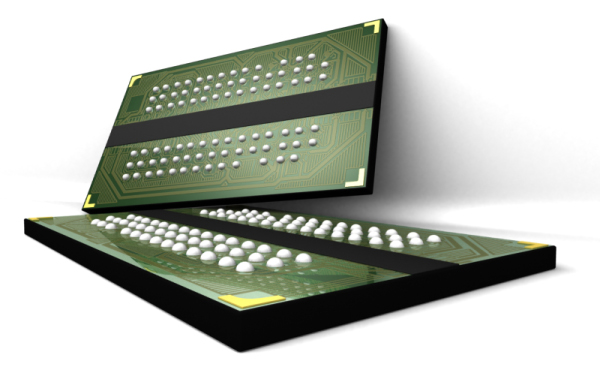
Intel's highly anticipated launch of next-generation Nehalem-based Xeon 5500-series processors, a system supplier for the delivery of its latest offerings, powered by Intel's latest data. But the benefits of a high-performance server systems, users need the best and most reliable hardware solutions, including storage and warehousing. On the server's memory, Micron is a trademark as recognizable as the company continues to develop new solutions that enable higher performance. In this sense, Micron has recently announced that its collection of DDR3 memory, the server has been validated for the latest Intel Xeon processors.

"The industry has already adopted the deposition of DDR3 adoption, and we are the target for the transition to take place this year, says Michael Sporer, Director of Marketing for Micron Enterprise segment." An important catalyst in this transition is the introduction of the Intel Xeon processor platform, our server OEM customers with the ability to design an integrated, high-performance storage architecture. "

The company can now Nehalem Xeon-validated DDR3 memory modules come in 1, 2, 4 and 8-gigabyte at a rate of 1066 Mbit / s and 1333 Mbit / s. In addition, Micron also announced that its wholly-owned subsidiary, Lexar Media also has validated its decision mark DDR3 modules are now ready for use within Xeon powered server.

"Intel Xeon processor 5500 series is the most important architectural leap second since the Pentium Pro processor has almost 15 years," said Ali Sarabi, director, industry initiatives and path finding, Intel Corporation. "Micron and major suppliers are the key to memory and ecosystems, their products approved on Intel Xeon Processor 5500-series will be an important contribution for the DDR3 ramp on the market. "

Unlike Intel's latest generation of Xeon processors, the new solutions that have been developed to the memory controller on board, a feature that allows the system to improve performance through better communication between the processor and memory. These server systems are used in the growing market for cloud computing, including multiple operating systems on a computer that is sharing all resources.

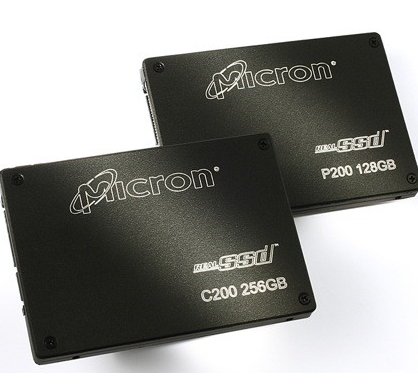
Micron 256GB SSD

Written by IT News on 6:23 PM

According to a video posted on Micron's new blog, the company succeeded in developing a solid-state device that could reach the fastest speed ever recorded by such a product. To be more specific, the video shows a SSD that reach data transfer at 800 MB / s at the same time also be able to expand seemingly about 1 GB / s. This speed is about twice the maximum performance peak seen to date.

As the video shows the system used for demonstration includes two eight-core Intel Xeon processors and two SSDs. Moreover, two units were not connected via a standard PATA or SATA interface, which means they were not limited to the bandwidth barrier of 300 MB / s SATA II. The devices use a PCIe interface, even with flash data management enhancements, which Micron States.

According to Micron's Joe Jeddeloh, during the demonstration, the two briefly managed to beat a host of data on about 800 MB / s and 150000 - 160000 random IOPS. Jeddeloh also showed a flash PCIe cards that combined the two cards in a flash unit with 16 channels. He said that this card could reach a bandwidth of 1 GB / s and "at least 200,000 IOPS." The faster companies SSDs available today from major manufacturers can hit around 250 MB / s and approximately 30,000 IOPS. In the case of hard drives, the fastest an observer as WD's Velociraptor, this clocks at about 100 MB / s.

The PCIe SSDs concept is not new, as Fusion IO has already unveiled similar products, the most notable of them turn on 100,000 IOPS a year ago. The company has recently launched a consumer version of its PCIe card, which is said to offer data from 500 to 700 MB / s and approximately 50,000 IOPS for around $ 1000. Micron said its vehicles would be available soon, but gave no reference to a possible price tag.

Micron Digs For Faster DDR2, DDR3 Aspen Memory

Written by IT News on 3:17 PM

By: Bogdan Botezatu, Hardware Editor


Micron has begun shipping units of its energy-saving Aspen series of DDR2 and DDR3 memory. According to the company, memory, up to 15 per cent of the total energy absorbed by modern servers, and the figures are expected to increase as more and more memory is required for the normal operation of the server.

New memory of the victims is from Micron 1 Gigabit DDR3 modules certified to work on a 1.35V and 2 Gigabit DDR2 modules operating at 1.5V. Company achievements even below the limits established in JEDEC Council, which sets the memory of the energy needs at the level of 1.5 volts to 1.8 volts and DDR3 for DDR2 modules.

"The trend in energy-saving technologies is particularly important for data centres, as they always work - 24 hours a day, seven days a week. Until recently, IT and data center managers primarily looked at ways to reduce energy consumption in the energy-saving food processors , but they do not look at the additional savings they can achieve low-voltage memory, "said Brian Shirley, vice president of Micron Memory of the group.

According to the company, Micron will ship its energy-efficient products in the memory densities up to 4 GBs use 1 GB chips, which is supposed to use 21 percent less energy compared to the standard 1.5-volt DDR3 modules manufactured with 1 GB of memory.

In addition, the DDR2 market segment will be covered by Micron to 2 GB to 8 GB base 1.5-volt DDR2 memory modules, which have proven to reduce the power requirements to 58 per cent, compared with the standard 1.8 volts DDR2 offerings.

"Given the positive response we have received from the client Aspen Memory cards we introduced last year, we look forward to continuing our leadership in the field of energy-saving memory, providing our customers with the industry's first low-voltage DDR3, and the higher the density, low voltage DDR2 modules, "Shirley continues.

Micron is currently sampling of marine units, the low voltage DDR3 memory and DDR2 server, but the low-energy tours will enter mass production later in the fourth quarter of this year.

Search This Blog

Ads and Sponsored by:


Want to subscribe?

Subscribe in a reader.